
The Thrill of Uncertainty
The psychology behind gambling is deeply intertwined with the thrill of uncertainty. This unpredictability can create a heightened sense of excitement, making every bet a gamble not just with money but also with emotions. Gamblers often find themselves captivated by the possibility of a win, even if the odds are against them. This phenomenon is partly due to the brain’s reward system, which gets activated during moments of risk, releasing dopamine and creating feelings of pleasure. Many players enjoy the excitement of online pokies as they experience the anticipation of winning, which can feel exhilarating, prompting individuals to play more often.
Furthermore, this desire for unpredictability speaks to a fundamental aspect of human nature: the love for challenges. Many people are drawn to situations that contain an element of risk because it allows them to test their decision-making skills. Gamblers often believe they can outsmart the odds or rely on instinct to predict outcomes. This self-perception can lead to repeated play, as each loss is followed by a hope that the next attempt will yield a different result, reinforcing the cycle of behavior.
Importantly, the thrill associated with uncertainty can be viewed through the lens of psychological theories pertaining to risk-taking behavior. From the perspective of behavioral economics, people often undervalue the risks involved, focusing instead on the tantalizing rewards. This cognitive bias can skew judgment, leading gamblers to make decisions that may not align with rational thought, thus culminating in a complex relationship with gambling that is both thrilling and dangerous.
The Social Aspect of Gambling
Another significant factor contributing to the allure of gambling is its inherently social nature. Many people engage in gambling as a social activity, whether at a physical venue or online. The environment surrounding gambling venues often creates a sense of community, where individuals share in the excitement of gameplay. This social interaction can enhance the overall experience, making the act of gambling more than just a personal endeavor. It transforms into a shared celebration of risk, filled with cheers and commiseration, which can be incredibly appealing.
Additionally, the camaraderie that develops in these spaces can lead to increased participation. When people witness others experiencing wins and excitement, it can generate a contagious enthusiasm that prompts further involvement. Group dynamics play a crucial role in this context; individuals may gamble more than they would alone because they feel pressure to join in the fun or simply want to be part of the collective experience. This phenomenon highlights the importance of social reinforcement in gambling behaviors.
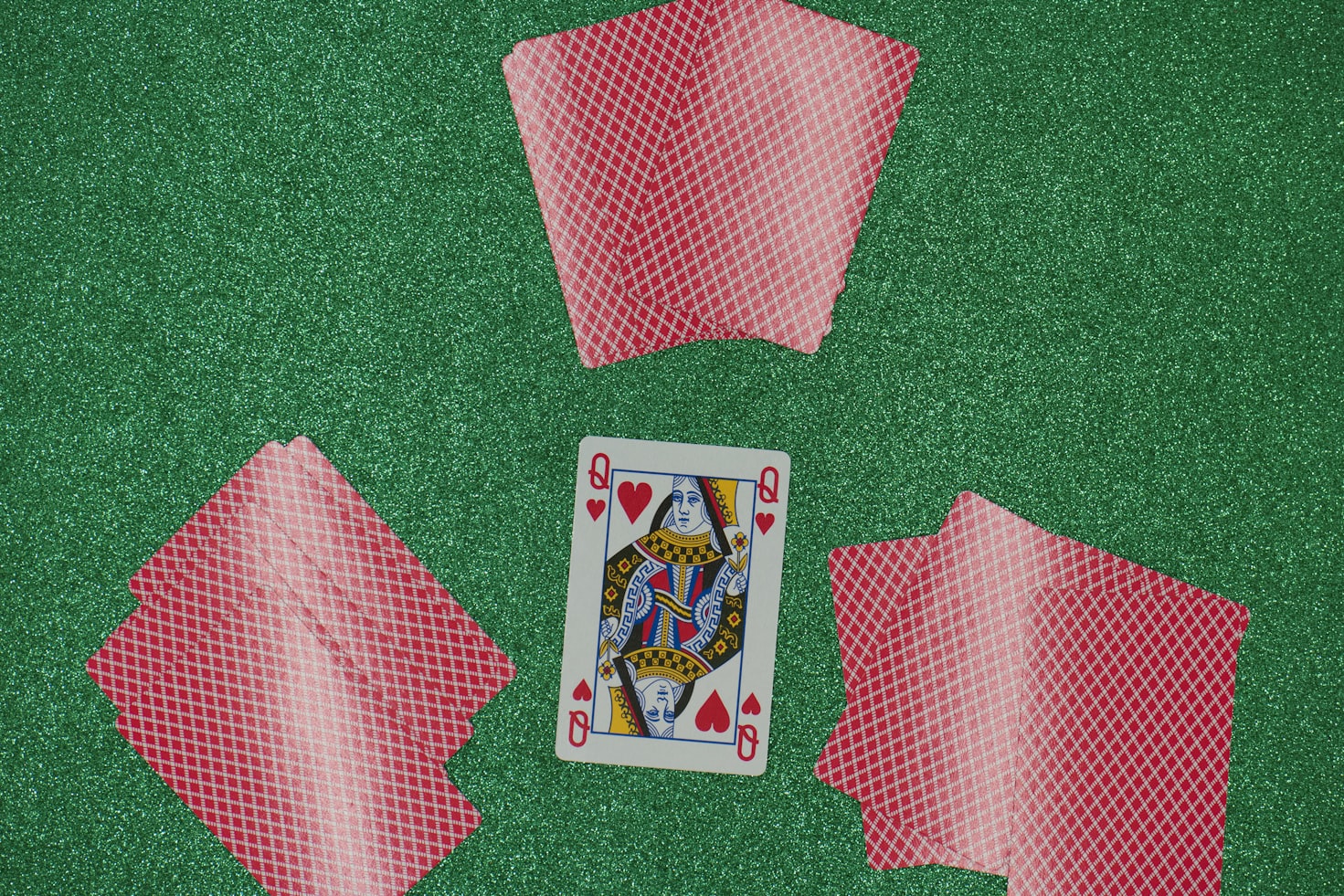
Moreover, the potential for forming friendships based on shared interests can deepen the connection to gambling. Conversations stemming from shared experiences create a rich tapestry of memories associated with gambling, which can create emotional ties. These relationships can be particularly influential, as they may encourage repeated visits to gaming establishments or participation in online platforms, further entrenching the psychological ties to gambling as a communal activity.
Illusions of Control and Superstition
The psychological manifestations of gambling also include the common phenomenon of illusion of control, where bettors believe they can influence or predict the outcome of random events. This belief often leads individuals to engage in ritualistic behaviors, such as wearing lucky clothing or using specific betting methods, as they seek to sway luck in their favor. Even in games of chance, such as lotteries or slot machines, players may believe that their actions have the power to impact results, which speaks to both cognitive biases and the desire for control over one’s life circumstances.
Furthermore, superstition plays a significant role in gambling psychology. Many gamblers develop personal beliefs about luck and fate, which can result in a range of rituals that they feel compelled to perform before playing. These behaviors can create a sense of comfort and confidence, even though they hold no true influence over the outcome. Research has indicated that such superstitions can bolster a player’s emotional state, providing them with a psychological boost that may momentarily offset feelings of anxiety or fear associated with gambling.
The combination of illusion of control and superstition can lead to a dangerous cycle in which players feel emboldened to gamble more frequently. When individuals experience a win following a specific ritual, they are more likely to repeat that behavior, reinforcing their beliefs. This cognitive distortion can result in sustained gambling activity, where the player discerns patterns that do not exist, leading to increased risk and potential gambling-related problems over time.
Addiction and Escalating Behavior
The psychological underpinnings of gambling also encompass the concept of addiction, which can develop from the initial thrill associated with uncertainty and risk. For some individuals, the excitement of gambling can escalate into compulsive behavior, characterized by an inability to stop despite negative consequences. This progression is often fueled by dopamine release in the brain, which reinforces the desire to play. As the thrill becomes entangled with real-life responsibilities, the line between casual gambling and addiction can easily blur.

Additionally, the cycle of chasing losses is a common phenomenon among addicted gamblers. This behavior occurs when individuals attempt to recover lost money by betting even more, often leading to greater financial hardship. The emotional highs and lows associated with wins and losses can create a rollercoaster of feelings, leading individuals to gamble as a means of coping with stress, anxiety, or depression. This cycle can perpetuate addiction, as it becomes a way to escape from reality, albeit temporarily.
Treatment options for gambling addiction often encompass psychological therapies, including cognitive-behavioral therapy, which aims to alter harmful thought patterns and behaviors. Understanding the psychological mechanisms at play is crucial for effective intervention, as it allows individuals to confront the underlying issues that contribute to their gambling habits. Recovery is a complex journey, but awareness of these psychological aspects is essential for fostering healthier relationships with gambling.
Understanding Your Gambling Habits
Recognizing and understanding one’s gambling habits is crucial for managing and mitigating the associated risks. Comprehensive self-assessment allows individuals to reflect on their motivations for gambling and the psychological triggers that may drive their behavior. Self-awareness is foundational in distinguishing between healthy gambling and potential addiction. By evaluating feelings before, during, and after gambling, individuals can gain insights that contribute to healthier decision-making.
Additionally, education about gambling mechanics and the psychological aspects can empower players to make informed choices. Understanding the odds and recognizing the role of chance can demystify the process and reduce the influence of cognitive biases. This knowledge not only fosters responsible gambling practices but also helps in cultivating realistic expectations about outcomes, thereby lessening the desire to chase losses.
Ultimately, the journey to understanding one’s gambling habits is ongoing and requires continuous reflection and adjustment. Engaging with support groups, seeking professional help, or utilizing resources can provide additional layers of understanding and support to navigate the complex world of gambling. By fostering a deeper comprehension of personal motivations, individuals can learn to enjoy gambling as a form of entertainment rather than a risk-laden behavior.