
The Allure of Casinos
Casinos have long been recognized as hubs of excitement and entertainment, attracting millions of visitors. The allure of these establishments goes beyond just the potential for monetary gain; it encompasses a rich sensory experience that envelops patrons as soon as they step inside. The vibrant colors of the slot machines, the sounds of shuffling cards, and the spinning wheels create an immersive atmosphere designed to captivate and enthrall. This carefully crafted environment stimulates various psychological responses, often resulting in an emotional high that encourages prolonged engagement with the games and activities offered, especially when players seek out options like online casino fast withdrawal services for a seamless experience.
Moreover, the psychology behind the allure of casinos is deeply rooted in concepts of escapism and thrill-seeking behavior. Many individuals venture into these spaces to break free from the monotony of everyday life, seeking moments of excitement that can provoke an adrenaline rush. This desire for novelty and risk-taking aligns with fundamental aspects of human nature, making the casino experience particularly attractive. Additionally, the fear of missing out (FOMO) plays a significant role, as patrons may believe that the next game could be their big win, compelling them to continue gambling in hopes of striking it rich.
Another pivotal factor contributing to the magnetic pull of casinos is the social aspect they foster. People often flock to these venues not just for the games but also to enjoy the company of friends, family, or even strangers. The shared experiences of winning or losing, paired with vibrant social interactions, create a communal atmosphere that enhances overall enjoyment. This social reinforcement can lead to increased playtime, as individuals feed off one another’s energy and excitement, deepening their connection to both the environment and their gaming experiences.
The Role of Cognitive Biases
Cognitive biases significantly shape the decision-making processes of casino goers, often leading them to make irrational choices. One prominent example is the „Gambler’s Fallacy,” which reflects the erroneous belief that past outcomes can influence the likelihood of future events in games of chance. For instance, a player may assume that a slot machine that hasn’t paid out in a while is „due” for a win. This misperception can encourage prolonged and sometimes excessive gambling, as players chase losses based on misguided beliefs about randomness and luck.
Another common cognitive bias is the „Illusion of Control,” where individuals mistakenly believe they can influence the outcomes of games that are primarily governed by chance. This perception is particularly evident in games like blackjack or poker, where elements of skill and strategy exist. Players may overestimate their abilities, leading them to continue playing even when it may not be in their best financial interest. The allure of control can be intoxicating, prompting individuals to gamble more aggressively than they normally would.

Lastly, the „Availability Heuristic” skews perceptions of winning. When players see others winning nearby or recall their own victories, they often overvalue the likelihood of their success. This cognitive distortion can lead to an inclination to gamble more, driven by the perceived accessibility of winning opportunities. Such biases create a cycle that keeps casino goers engaged for longer than they might intend, reinforcing unsustainable gambling behaviors and financial decisions.
The Emotional Rollercoaster of Gambling
The emotional experience of gambling is complex and multifaceted, encompassing both highs and lows that can profoundly impact players. Winning evokes feelings of exhilaration and empowerment, often accompanied by a surge of dopamine—the brain’s reward chemical. This positive reinforcement can create a strong desire to replicate the winning experience, leading players to continue gambling, even in the face of losses. The emotional aftermath of wins is typically celebrated, while losses can trigger feelings of regret or frustration, fostering a compulsive chase for recovery.
Conversely, the downsides of gambling can lead to significant emotional distress, especially for those who develop problematic behaviors. The urge to recoup losses may prompt individuals to gamble larger sums or engage in riskier games, further compounding their issues. This behavior can cultivate feelings of hopelessness, guilt, and anxiety, highlighting the psychological toll of gambling when it becomes excessive. Recognizing these emotional implications is crucial for players, as it can help them make more informed choices and identify when their gambling activities are becoming detrimental.
The emotional rollercoaster inherent in gambling adds to the complexity of understanding casino goers. The interplay between thrill and despair means that players navigate a spectrum of emotions that can shift rapidly within a single outing. Individuals might enter a casino feeling stressed but leave exhilarated or, conversely, feeling defeated. By recognizing these emotional patterns, players can gain valuable insights into responsible gambling habits and be more attuned to when their experiences begin to negatively affect their lives.
The Environmental Influence on Behavior
The design and atmosphere of casinos significantly impact the behaviors and experiences of patrons. From the layout of the gaming floor to the strategic use of lighting and sound, every element is meticulously crafted to heighten engagement and encourage longer playtime. For example, the absence of windows and clocks creates a sense of timelessness, prompting players to lose track of time as they immerse themselves in the casino experience. This manipulation of the environment feeds into the psychology of gamblers, enhancing their connection to the games and the overall setting.
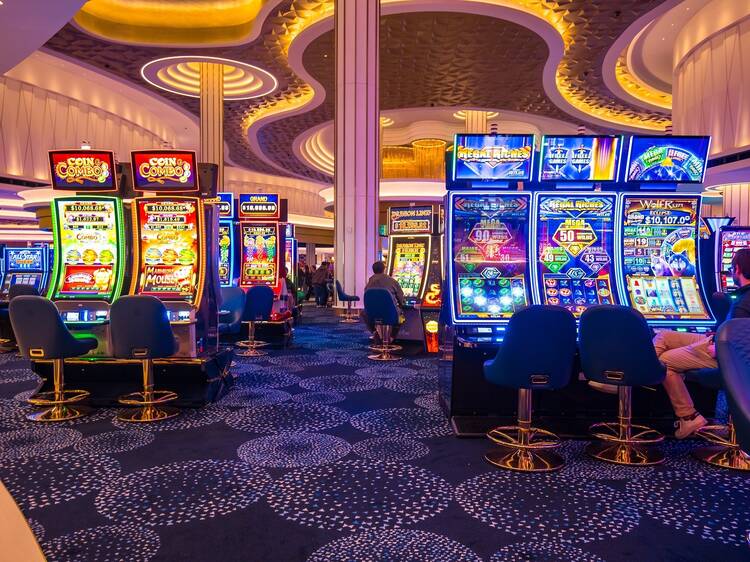
Additionally, casinos often position high-stakes games in prominent areas to capture attention and foster a competitive atmosphere. The buzz surrounding significant wins can lure other players to join in, thereby increasing overall engagement within the venue. The combination of visual and auditory stimuli is purposefully designed to maintain excitement, as upbeat music and the sounds of winning amplify the thrill of the environment. This intentional design reinforces positive associations with gambling, encouraging patrons to continue their gaming journey.
Moreover, the provision of complimentary drinks and meals can lower inhibitions and elevate gambling behavior. By offering these perks, casinos create an environment where individuals may feel more relaxed and willing to take risks, inadvertently leading them to wager larger amounts. The physical space, alongside its psychological manipulations, serves to blur the lines between entertainment and financial risk, making it essential for players to remain vigilant and aware of their surroundings while gambling.
Seeking Guidance and Support for Responsible Gambling
Understanding the psychology of casino goers is crucial for promoting responsible gambling behaviors and mitigating the risks associated with excessive play. Educational initiatives about the potential dangers of gambling, including cognitive biases and emotional impacts, can empower individuals to make more informed choices. Many casinos and organizations are now prioritizing resources and support for those who may be struggling with gambling-related issues, emphasizing the importance of recognizing when to seek help before problems escalate.
Effective communication about the potential pitfalls of gambling should be a primary focus for casino operators. By fostering an environment that encourages responsible play and open dialogue, casinos can help reduce the stigma associated with seeking help for gambling addiction. Additionally, providing clear information about available resources and support systems can guide those in need towards effective solutions, ensuring they have the tools necessary to address their challenges and improve their situations.
Ultimately, the psychological insights gained from understanding casino goers can enhance the overall experience while promoting responsible behavior. By being aware of the emotional and cognitive factors at play within the gaming environment, both individuals and organizations can collaborate to create a safer and more enjoyable gambling atmosphere. By emphasizing education and support, the prevalence of problem gambling can be significantly reduced, allowing patrons to engage in gaming in a healthier and more balanced manner.